
Custom Educational Toys and the Future of Learning
Children learn naturally through play. When a toy encourages them to build, experiment, create, or solve a problem, the experience can become more meaningful than simply watching or listening to information.
This is why educational toys have become an important part of modern learning environments. Schools, childcare centers, educational brands, and parents increasingly look for products that combine entertainment with developmental value.
Custom educational toys take this idea a step further by allowing learning products to be designed around specific educational goals, age groups, themes, or brand requirements.
What Are Custom Educational Toys?
Custom educational toys are learning-focused play products designed or modified for a particular purpose.
Instead of relying only on standard toy designs, manufacturers can develop products around specific skills, learning concepts, characters, themes, or educational programs.
For example, a custom toy may be created to help children practice:
- Counting and basic mathematics
- Language and vocabulary
- Fine motor skills
- Logical thinking
- Problem-solving
- Creativity
- Memory
- STEM concepts
- Social interaction
The objective is to make learning more interactive and enjoyable.
Supporting Hands-On Learning
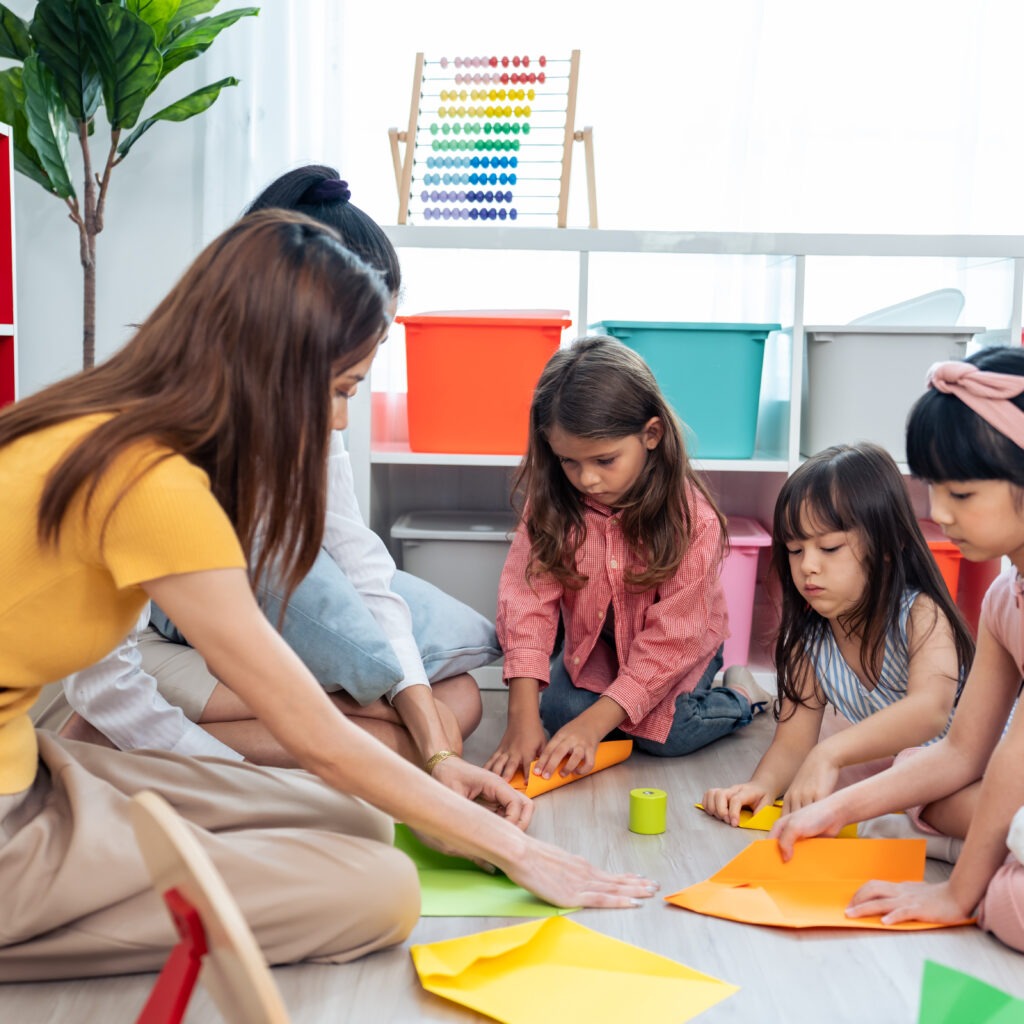
One of the biggest advantages of educational toys is that children can learn by doing.
A child assembling pieces, arranging shapes, or experimenting with a simple mechanical system is actively participating in the learning process.
Hands-on activities can encourage curiosity because children can immediately see how their actions affect the result.
Custom educational toys can be designed specifically around these experiences, making them useful for classrooms, activity centers, and home learning.
Encouraging Creativity
Creative play allows children to explore ideas without always having a single correct answer.
Building sets, drawing-related toys, construction activities, and imaginative play products can encourage children to experiment with different solutions.
A customized toy can incorporate specific themes or challenges that encourage children to think beyond basic instructions.
Developing Problem-Solving Skills
Many educational toys are built around challenges.
A child may need to complete a puzzle, construct a model, match objects, or find a solution to a particular task.
These activities encourage children to analyze information and try different approaches.
Custom designs can make these challenges age-appropriate and aligned with specific educational objectives.
STEM Learning Through Play
STEM education has become increasingly important in early learning.
Toys can introduce basic concepts related to science, technology, engineering, and mathematics without making the experience feel like a traditional lesson.
For example, construction toys can introduce engineering concepts, while sorting and counting activities can reinforce mathematical thinking.
Custom educational products can be developed around particular STEM concepts and learning levels.
Designing for Different Age Groups
A successful educational toy should match the developmental stage of its intended users.
A product designed for preschool children may focus on colors, shapes, simple numbers, and motor skills. Older children may benefit from more complex puzzles, construction activities, science concepts, or problem-solving challenges.
Customization allows the learning experience to be adjusted according to age, ability, and educational objectives.
Custom Toys for Schools and Businesses
Educational institutions can use customized toys to support classroom activities or special learning programs.
Educational companies can also develop branded products that reflect their teaching approach or curriculum.
Brands looking to develop their own products can explore custom educational toys through OEM and ODM manufacturing options, allowing product concepts to be developed according to specific requirements.
Safety Should Come First
Educational value is important, but children’s safety should always remain a priority.
When developing a custom toy, manufacturers and buyers should consider factors such as material selection, construction quality, small components, edges, durability, and applicable toy safety requirements.
The appropriate safety standards can vary depending on the target market and age group, so these requirements should be addressed during product development rather than after manufacturing.
Branding and Personalization
Custom toys can also help educational businesses create recognizable products.
Colors, characters, packaging, logos, themes, and learning concepts can be incorporated into the product design.
This can help a company create a consistent identity across its educational product range.
Final Thoughts
Custom educational toys combine learning and play in a way that can support children’s development while keeping them engaged.
By focusing on age-appropriate skills, creativity, problem-solving, STEM concepts, and hands-on experiences, customized products can serve a wide range of educational needs.
For schools, brands, and educational businesses, customization also provides an opportunity to develop unique learning products that match specific goals and audiences.